When you need a local service in 2026, the sheer variety of businesses available can feel overwhelming. From sole traders working from home to established companies with multiple locations, UK communities host thousands of different business types across countless sectors. Understanding these distinctions helps you make informed choices about which providers suit your needs, budget, and expectations. This guide clarifies the main types of local businesses operating across Britain today, explains how to evaluate them effectively, and reveals what factors influence their availability and performance in your area.
Table of Contents
- How To Evaluate And Choose Local Businesses
- Overview Of Common Types Of Local Businesses In The UK
- Comparing Local Business Sizes And Structures
- How Local Economic Trends Affect Your Local Businesses In 2026
- Find Trusted Local Businesses Near You
Key takeaways
| Point | Details |
|---|---|
| Business diversity | Local businesses range from sole proprietors to large companies across professional, retail, and trade sectors. |
| Dominant sectors | Professional, scientific, and technical services represent 15.3% of all registered UK businesses. |
| Size distribution | Small businesses with fewer than 50 employees make up the vast majority of the UK business landscape. |
| Selection factors | Business rates, online reviews, and operating structures significantly impact service quality and pricing. |
How to evaluate and choose local businesses
Choosing the right local business requires more than a quick internet search. You need a systematic approach that considers multiple factors affecting service quality, reliability, and value. Start by understanding the business structure, whether you’re dealing with a sole trader, partnership, or limited company, as this influences accountability and resources available. Check online reviews carefully, as local business directories are a primary source of information for consumers seeking local services in the UK.
Business rates and operating costs directly affect pricing, so factor these into your expectations. A small business facing high rates may charge more to maintain profitability, whilst larger operations might absorb costs through volume. Use trusted platforms like a business directory to find verified providers with transparent contact details and service descriptions. This saves time and reduces the risk of encountering unregistered or unreliable operators.
Consider the expertise level required for your specific need. Simple tasks like garden maintenance might suit a local sole trader perfectly, whilst complex projects such as structural renovations demand specialist qualifications and insurance coverage. Match the business type to your project scope.
Pro Tip: Always verify a tradesperson’s insurance and relevant certifications before committing to work. Legitimate businesses readily provide this documentation and view it as a trust building opportunity rather than an inconvenience.
Key evaluation criteria include:
- Response time and communication quality during initial contact
- Transparency about pricing, timelines, and potential complications
- Evidence of previous work through portfolios or references
- Clear terms and conditions protecting both parties
- Professional presentation and attention to detail
Overview of common types of local businesses in the UK
British communities support an impressive variety of business types, each fulfilling specific roles in the local economy. Professional services dominate the landscape, with the professional, scientific, and technical industry group representing 15.3% of all registered businesses in the UK. This category includes accountants, solicitors, architects, engineers, and IT consultants who provide specialised knowledge to individuals and other businesses.
Personal services form another substantial category, covering businesses that enhance daily life and special occasions. Photographers near me capture important moments, whilst painters & decorators transform living spaces. Entertainment providers, beauty therapists, and fitness instructors all fall within this diverse sector, often operating as sole traders or small partnerships.
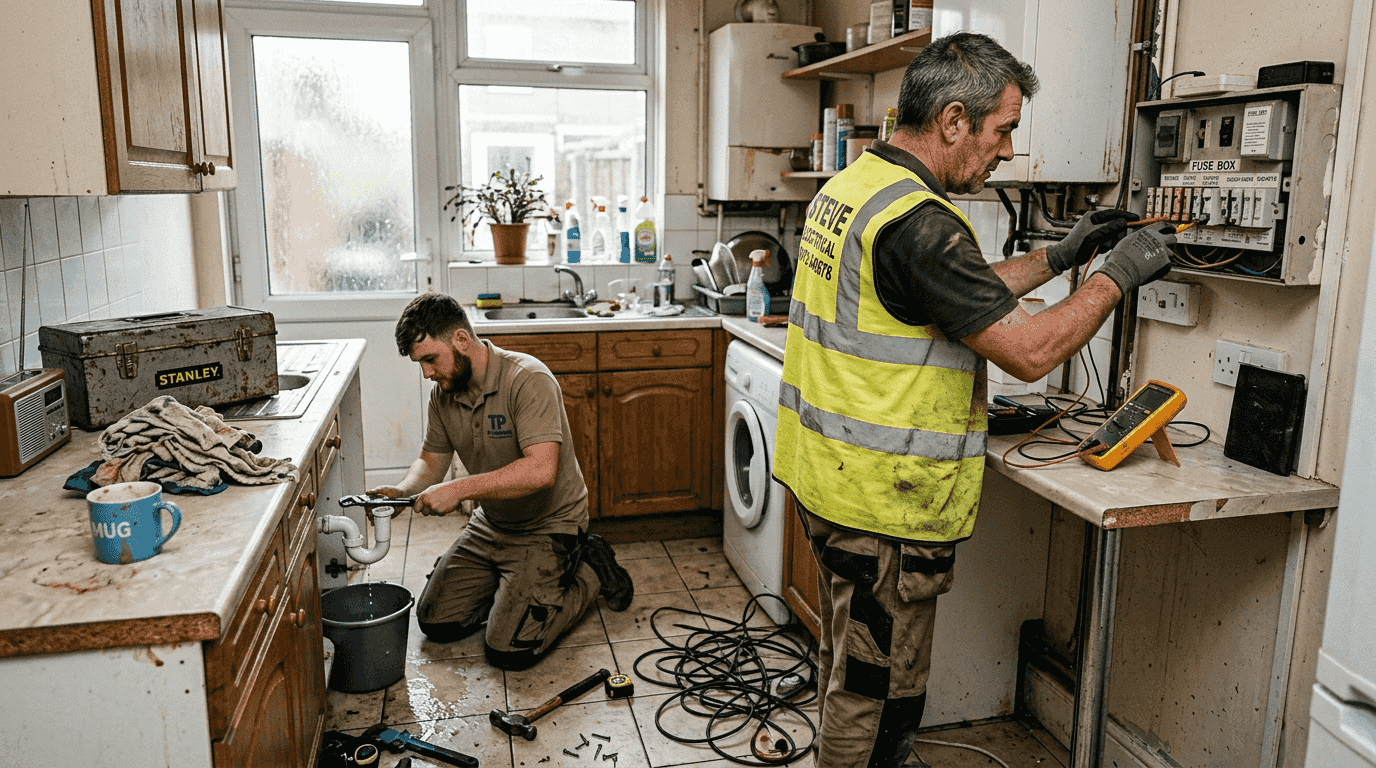
Tradespeople remain essential to every community, handling construction, maintenance, and repair work. Builders, electricians, plumbers, carpenters, and local gardeners keep homes and businesses functional and attractive. These skilled workers typically combine technical expertise with practical problem solving, often building loyal customer bases through reliable service.
Retail businesses range from independent shops selling specialised goods to local markets offering fresh produce and artisan products. Despite competition from online retailers, physical stores continue thriving by providing immediate access, personal service, and community connection that digital platforms cannot replicate.
Service providers handle practical needs like removals, cleaning, pest control, and equipment repair. These businesses solve specific problems quickly, often responding to urgent situations. Their success depends on reliability, efficiency, and fair pricing rather than elaborate marketing.
Common local business categories:
- Professional consultants and advisors
- Personal care and wellness providers
- Construction and maintenance tradespeople
- Retail shops and market vendors
- Practical service specialists
Comparing local business sizes and structures
Understanding business size and legal structure helps you set realistic expectations about service delivery and support. In March 2025, there were 2.73 million VAT and/or PAYE businesses in the UK, with 76.7% companies and public corporations, and 19.8% sole proprietors or partnerships. This distribution reveals that whilst most businesses operate as formal companies, sole traders and partnerships still represent a significant portion of the landscape.
Small businesses absolutely dominate the UK economy. 5.64 million businesses were small with 0 to 49 employees, 38,435 were medium, and 8,335 large in 2025. This overwhelming majority of small operations means most local services you encounter will have limited staff, affecting availability, response times, and capacity to handle multiple projects simultaneously.
Sole proprietors offer personal service and direct accountability but may lack backup if illness or emergencies arise. Partnerships distribute workload and expertise across multiple owners, providing slightly more resilience. Limited companies separate personal and business liability, often signalling a more established operation with formal processes and potentially higher overheads reflected in pricing.
Business rates impact varies dramatically by size and structure. Smaller businesses often qualify for reliefs that reduce this tax burden, whilst larger operations face substantial annual bills that influence their pricing strategies and location decisions. Understanding these financial pressures helps you appreciate why similar services might cost differently across providers.
| Business size | Employee count | Typical characteristics |
|---|---|---|
| Micro | 0 to 9 | Personal service, flexible, owner operated |
| Small | 10 to 49 | Established processes, small team, local focus |
| Medium | 50 to 249 | Multiple locations possible, structured management |
| Large | 250+ | Regional or national presence, corporate systems |
Pro Tip: When choosing local builders, consider project complexity alongside business size. Small firms excel at personalised residential work, whilst larger companies handle commercial projects requiring extensive resources and coordination.
How local economic trends affect your local businesses in 2026
Broader economic forces shape which businesses thrive in your community and what services remain accessible. Cities account for 63% of output and 73% of knowledge based jobs in the private sector, concentrating economic activity and business opportunities in urban centres. This urban advantage means city residents typically enjoy wider business choice and more competitive pricing than those in rural areas.
Regional inequalities persist despite efforts to rebalance growth. Southern cities generally demonstrate stronger economic performance than some Northern counterparts, affecting local business formation rates, survival rates, and service availability. These disparities influence everything from the number of specialists available locally to the pricing pressures businesses face.
Entrepreneurship remains robust across Britain. The private sector business population increased by 3.5% with 191,000 new businesses between 2024 and 2025 in the UK. This continuous influx of new enterprises ensures innovation and competition whilst also meaning some businesses will inevitably fail as market conditions test their viability.
Population growth patterns directly affect local demand for services. Areas experiencing population increases see rising demand for everything from local removal companies to healthcare providers, creating opportunities for new businesses whilst potentially straining existing capacity. Conversely, declining populations force businesses to adapt or relocate.
Key economic factors influencing local businesses:
- Urban versus rural location advantages
- Regional economic performance disparities
- New business formation and closure rates
- Population growth and demographic shifts
- Competition intensity and market saturation
| Economic factor | Impact on consumers | Impact on businesses |
|---|---|---|
| Urban concentration | More choice, competitive pricing | Higher rents, intense competition |
| Regional inequality | Service gaps in weaker areas | Uneven opportunity distribution |
| New business growth | Fresh options, innovation | Market disruption, price pressure |
| Population changes | Demand fluctuations | Capacity planning challenges |
Understanding these trends helps you recognise why certain services cost more in your area or why particular business types remain scarce. Economic context shapes the local business ecosystem as powerfully as individual business decisions.
Find trusted local businesses near you
Now that you understand the variety and complexity of local business types across the UK, finding the right provider becomes much simpler with the right platform. The Great British List connects you with verified local businesses across every category discussed in this guide, from professional services to tradespeople and personal care providers. Our comprehensive directory makes comparing options straightforward, with detailed listings that include contact information, service descriptions, and customer feedback.
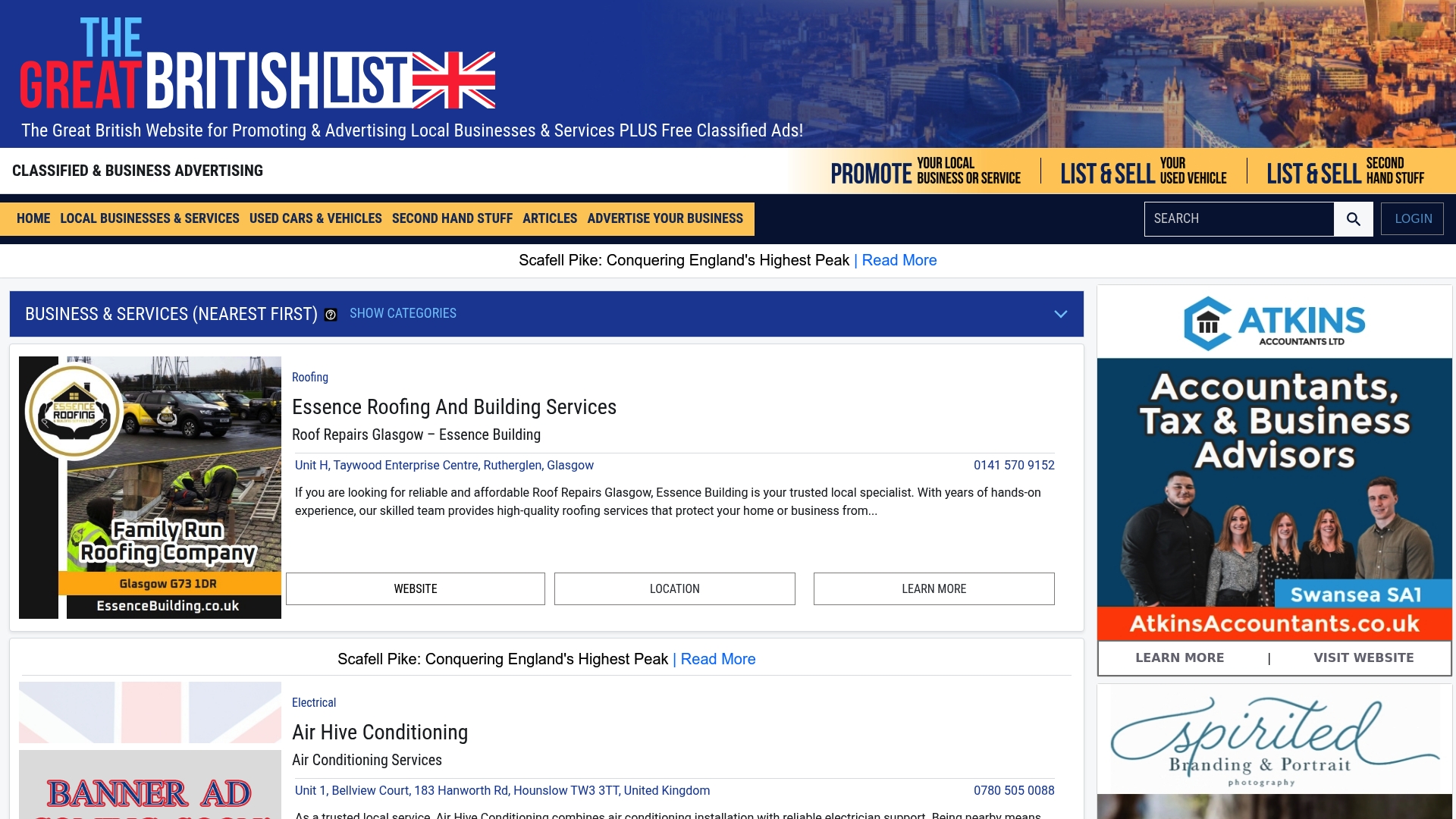
Whether you need to find photographers near me for a special occasion, find local gardeners to maintain your outdoor space, or find removal companies near me for an upcoming move, our platform simplifies the search process. Browse by category, filter by location, and connect directly with businesses that match your specific requirements. Take the guesswork out of choosing local services and discover trusted providers ready to serve your community.
FAQ
What types of local businesses are most common in UK towns?
Professional services like accountants and solicitors, retail shops selling everyday goods, tradespeople including builders and electricians, and personal services such as hairdressers and photographers dominate most UK communities. These businesses serve fundamental daily needs that every community requires regardless of size or location. Their prevalence reflects consistent demand across different demographic groups and economic conditions.
How do business rates affect small local businesses?
Business rates significantly impact small businesses’ viability and may lead to closures, with some facing annual bills exceeding £24,000 despite modest revenues. Small businesses often lack the profit margins to absorb these fixed costs easily, making rate reliefs and revaluations critical for survival. Understanding this financial pressure helps consumers appreciate pricing structures and support local businesses facing challenging operating environments.
Why do online reviews matter when choosing local businesses?
Online reviews provide trusted insight into service quality, reliability, and customer experience that advertising cannot convey. 84% of consumers trust online reviews as much as personal recommendations, making them influential in purchasing decisions. Reviews reveal patterns in business behaviour, highlight potential issues, and confirm strengths, helping you avoid poor choices whilst identifying excellent providers worth supporting.
How do sole traders differ from limited companies for consumers?
Sole traders offer direct personal accountability and often lower overheads reflected in competitive pricing, but they provide no separation between personal and business assets. Limited companies operate with formal structures, separate legal identity, and typically more resources for larger projects, though potentially higher costs. Your choice depends on project complexity, risk tolerance, and preference for personal versus corporate service styles.
What should I check before hiring a local tradesperson?
Verify current insurance coverage, relevant trade qualifications or certifications, and evidence of previous similar work through portfolios or references. Request clear written quotes detailing scope, timeline, materials, and payment terms before committing. Check online reviews across multiple platforms and confirm the business address and registration details match their claims, ensuring legitimacy and accountability throughout your project.



.jpg)